The Bulgarian parliament has amended its energy law and removed feed-in tariffs for new renewable projects, in an attempt to cut the energy sector deficit and reduce their weigh on end consumer bills. Generous 20-year feed-in tariffs and purchase obligations led to a boom in wind capacity (from 177 MW in 2009 to 500 MW in 2010) and in solar capacity (from 6 MW in 2009 to 212 MW in 2011 and more than 1 GW in 2013) and the 2020 renewable target (16% of the power mix) was reached in late 2013. This contributed to a Lev 3.3 bn (€1.65bn) deficit for national electricity company NEK and to spark popular tensions over high and rising electricity prices.
Other amendments to the Bulgarian energy law include measures to strengthen the independence of the energy regulator, State Commission for Energy and Water Regulation (DKEVR), which was renamed Commission for Energy and Water Regulation (KEVR).
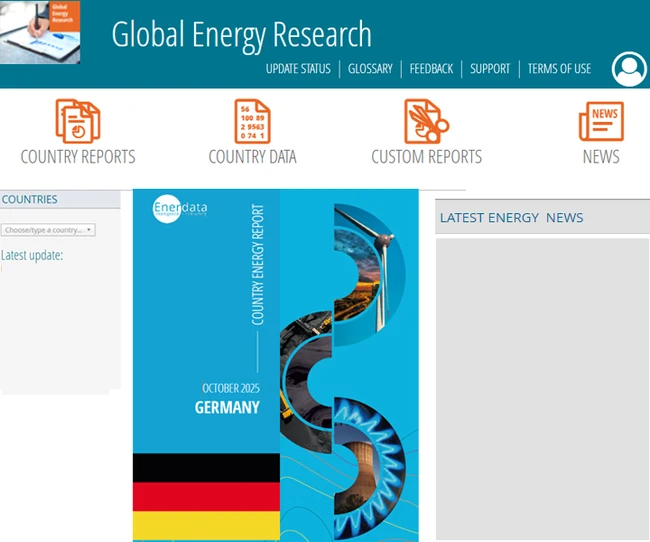
Interested in Global Energy Research?
Enerdata's premium online information service provides up-to-date market reports on 110+ countries. The reports include valuable market data and analysis as well as a daily newsfeed, curated by our energy analysts, on the oil, gas, coal and power markets.
This user-friendly tool gives you the essentials about the domestic markets of your concern, including market structure, organisation, actors, projects and business perspectives.