The Ministry of Natural Gas Development of the Canadian province of British Columbia has presented its Climate Leadership Plan, aiming at reducing net annual greenhouse gas (GHG) emissions by up to 25 Mt below current forecasts by 2050. The province aims to achieve an 80% reduction in emissions from 2007 levels by 2050.
The plan’s initial 21 action items include making electric vehicles more affordable and buildings more energy efficient. Government is also targeting sequestration opportunities in forests and emission reductions in natural gas production and processing. The government will keep the carbon tax frozen at C$30/t (5-year freeze enacted in 2013) and will raise it only if it remains revenue-neutral and every dollar is returned to citizens in the form of tax relief.
One of the key measures is the creation of the Clean Infrastructure Royalty Credit Program (CIRCP), aimed at cutting GHG emissions from oil and gas companies. As for the existing Infrastructure Royalty Credit Program (IRCP) that awards royalty deductions to companies who invest in new or upgraded roads and pipelines, the CIRCP will award royalty credits for oil and gas companies in British Columbia for projects aimed at reducing methane emissions from their current operations. Up to C$20m (US$15.5m) will be awarded in 2016. Companies will be required to fund the entire cost of the project, and complete it, before they are eligible to recover up to 50% of their costs through royalty deductions.
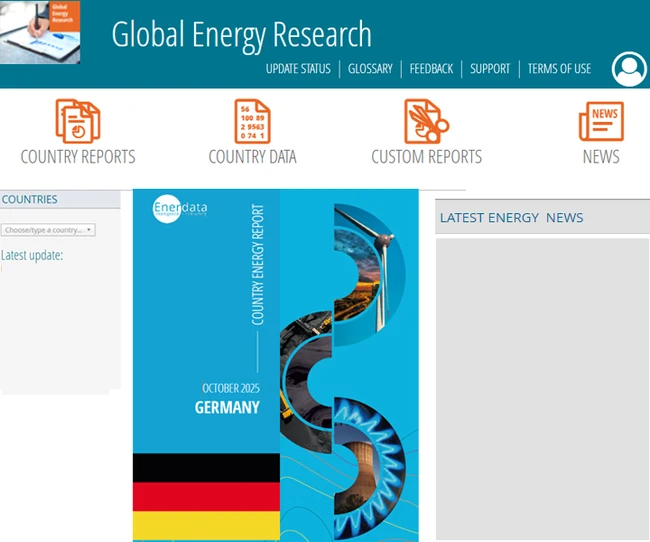
Interested in Global Energy Research?
Enerdata's premium online information service provides up-to-date market reports on 110+ countries. The reports include valuable market data and analysis as well as a daily newsfeed, curated by our energy analysts, on the oil, gas, coal and power markets.
This user-friendly tool gives you the essentials about the domestic markets of your concern, including market structure, organisation, actors, projects and business perspectives.