Brazil’s Energy Research Office (EPE), which released the study book of the Decennial Energy Expansion Plan (PDE) 2030, has cut its forecast of maximum electricity demand for 2029 by 10 GW because of the Covid-19 pandemic. In 2030, the maximum demand will be 123 GW, only 34% higher than 2020 estimates. Consequently, EPE recommends cutting the capacity expansion from 26.5 GW to 23 GW over the 2024-2029 period and to 22.3 GW until 2030.
In terms of the shares of each energy source in the power mix, EPE foresees that hydropower will account for 68% of total capacity, followed by wind and solar (16%), biomass (8%), and fossil fuel-fired power plants (8%).
Brazil's installed capacity reached 172 GW at end-2019. Hydroelectricity dominates with 63% of the capacity (109 GW, of which 2/3 in plants above 1 GW). Other renewables (wind, solar, and biomass) account for 20% of the capacity. Fossil fuels have a marginal role, (8% from gas, 5% from oil, and 3% from coal).
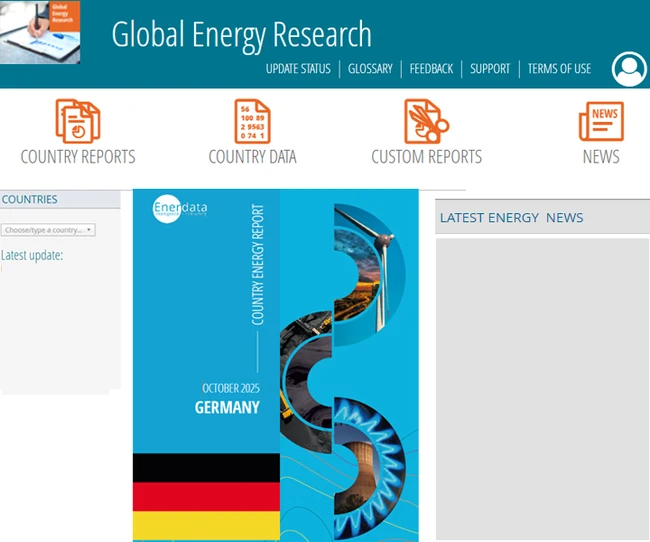
Interested in Global Energy Research?
Enerdata's premium online information service provides up-to-date market reports on 110+ countries. The reports include valuable market data and analysis as well as a daily newsfeed, curated by our energy analysts, on the oil, gas, coal and power markets.
This user-friendly tool gives you the essentials about the domestic markets of your concern, including market structure, organisation, actors, projects and business perspectives.