The Australia government has reached an agreement on a safeguard mechanism that would create a ceiling on the country’s nations emissions at 1,233 MtCO2 between 2021 and 2030, effectively imposing a declining annual limit on absolute emissions of about 140 MtCO2. As part of the plan, the country’s 215 largest polluting facilities (with emissions higher than 100,000 tCO2/year, including coal mines, gas plants, and manufacturers) will be required to reduce emissions by 4.9%/year or 30% by the end of the decade, i.e. -205 MtCO2 by 2030. The scheme will allow for new coal or gas projects, as the rate of emissions reduction exceeds the cuts needed to achieve the goal.
In June 2022, the country pledged in its Nationally Determined Contribution (NDC) update to cut carbon emissions by 43% from 2005 levels. In addition, Australia intends to reach net-zero emissions by 2050. Australia's greenhouse gas (GHG) emissions rose nearly 1% in 2021 to 488 MtCO2eq, as driving and travel increased and as manufacturing activity recovered from the Covid-19 pandemic.
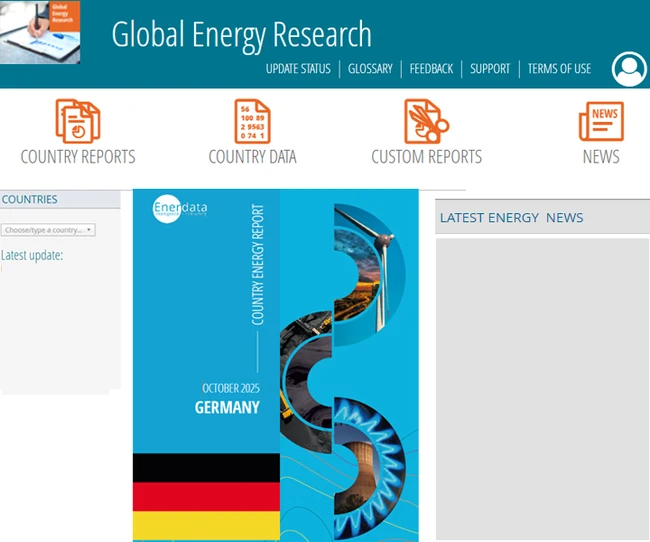
Interested in Global Energy Research?
Enerdata's premium online information service provides up-to-date market reports on 110+ countries. The reports include valuable market data and analysis as well as a daily newsfeed, curated by our energy analysts, on the oil, gas, coal and power markets.
This user-friendly tool gives you the essentials about the domestic markets of your concern, including market structure, organisation, actors, projects and business perspectives.