Australia will decide in October 2022 whether to curb exports of LNG after the Australian Competition & Consumer Commission (ACCC) urged restrictions. Indeed, according to forecasts from the ACCC, the country could face a shortfall and soaring prices in 2023 because of declining output at offshore fields that supply the east coast, home to almost nine-tenths of the Australian population. Specifically, the east coast of the country is expected to produce 49.5 bcm (1,981 PJ) of gas in 2023 of which 32.5 bcm (1,299 PJ), or 66%, is expected to be exported overseas under long term contracts. In addition, LNG exporters are forecasted to liquefy a further 4.2 bcm (167 PJ) over what they require to meet their contractual commitments. If LNG exporters sell all of their excess gas to overseas markets, the region would face a supply shortfall of 1.4 bcm (56 PJ).
The competition regulator recommended the government to pull the trigger on the Australian Domestic Gas Supply Mechanism, which can be used to oblige LNG exporters to divert gas to the domestic market to avert shortfalls. Exports curbs would likely impact the Gladstone LNG export plant (10.5 bcm/year), owned by Santos (30%), Petronas (27,5%), TotalEnergies (27.5%) and Kogas (15%). In 2021, Australia was the world’s largest LNG exporter, with 105.6 bcm, surpassing Qatar (105.1 bcm) and the United States (92.3 bcm).
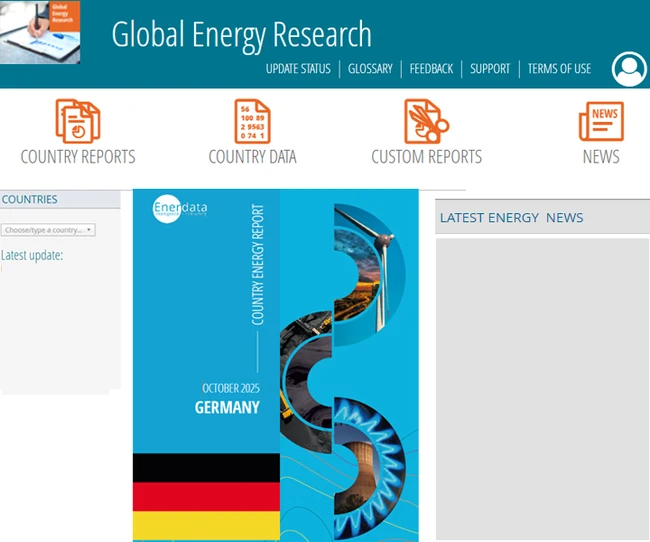
Interested in Global Energy Research?
Enerdata's premium online information service provides up-to-date market reports on 110+ countries. The reports include valuable market data and analysis as well as a daily newsfeed, curated by our energy analysts, on the oil, gas, coal and power markets.
This user-friendly tool gives you the essentials about the domestic markets of your concern, including market structure, organisation, actors, projects and business perspectives.