The Australian Prime Minister is considering adopting a net-zero greenhouse gas (GHG) emissions target by 2050, though without specifying how the country would cut emissions (more likely through technological progress reducing renewable costs - including that of hydrogen - rather than through a carbon tax). Such a target is dividing the ruling coalition.
Australia's updated National Determined Contribution (NDC) aims to reduce GHG emissions to at least 26-28% below 2005 levels by 2030, thanks to five technologies (clean hydrogen, energy storage, low carbon materials (steel and aluminium), carbon capture and storage, and soil carbon). However, the country may miss this target due to rising CO2 emissions. GHG emissions have been decreasing since 2006 and were 12% below their 2005 level in fiscal year 2018, reaching 534 MtCO2 in 2018. However, CO2 emissions from energy use have been increasing again since 2015, reaching 405 Mt in 2019 (55% above the 1990 level). In March 2020, the state of New South Wales announced its objective to reach net-zero emissions by 2050, with an intermediate milestone of reducing emissions by 35% compared to 2005 levels by 2030 at a cost of A$2bn (US$1.2bn).
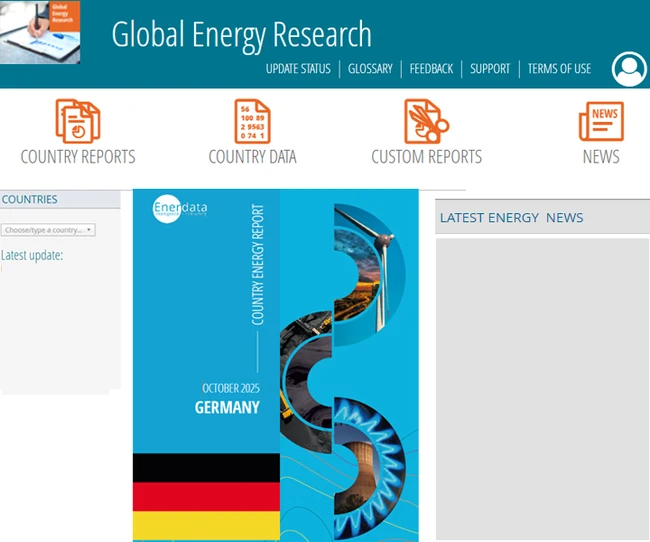
Interested in Global Energy Research?
Enerdata's premium online information service provides up-to-date market reports on 110+ countries. The reports include valuable market data and analysis as well as a daily newsfeed, curated by our energy analysts, on the oil, gas, coal and power markets.
This user-friendly tool gives you the essentials about the domestic markets of your concern, including market structure, organisation, actors, projects and business perspectives.