The legislature of the Canadian province of Alberta has adopted the Carbon Tax Repeal Act proposed by the province government in late May 2019, removing the provincial carbon tax. This carbon tax was approved by the previous Alberta government and entered into effect on 1 January 2017, adding a surcharge to transportation and heating fuels. The new Alberta government plans to continue with a tax on large industrial greenhouse gas (GHG) emitters.
The province, as Manitoba, Ontario, New Brunswick and Saskatchewan, refuses adopt to the country-wide CO2 pricing system and to implement adequate carbon emission pricing plans. Canada's nationwide climate-change strategy includes a carbon tax, which has to be either adopted by the provinces or imposed by the federal government. The tax will rise by CAD10/tCO2eq (around US$7.6/tCO2eq) each year from CAD20/tCO2eq (around US$15.3/tCO2eq) in 2019 to CAD50/tCO2eq (around US$38/tCO2eq) by 2022.
The federal "backstop" mechanism applies in Manitoba, Ontario, New Brunswick and Saskatchewan since April 2019, which have decided to challenge the tax in court. It will be extended in Nunavut and Yukon as of July 2019: in these provinces, proceeds from the new tax will go directly back to taxpayers (direct rebates named "Climate Action Incentive payments"). The other provinces, namely Quebec, British Columbia, Nova Scotia, Prince Edward Island and Newfoundland and Labrador will comply with the federal benchmark.
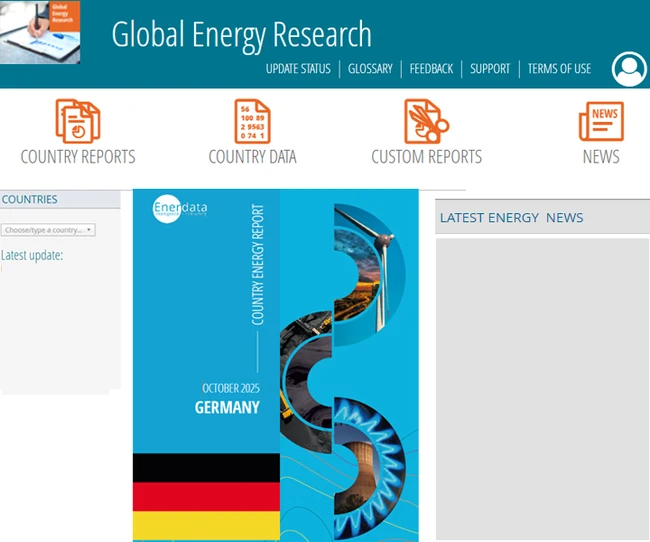
Interested in Global Energy Research?
Enerdata's premium online information service provides up-to-date market reports on 110+ countries. The reports include valuable market data and analysis as well as a daily newsfeed, curated by our energy analysts, on the oil, gas, coal and power markets.
This user-friendly tool gives you the essentials about the domestic markets of your concern, including market structure, organisation, actors, projects and business perspectives.