New Zealand’s state-owned grid operator Transpower states that new generation capacity and battery storage systems must keep coming online through the 2030s to keep up with surging electricity needs (Transpower press release, 24/04/2026). The recently published Draft Security of Supply Assessment (SOSA) 2026, available for electricity sector consultation, delivers a comprehensive ten-year outlook on supply-demand dynamics within New Zealand’s electricity system.
For the short term (2026-2028), the analysis concludes that New Zealand, with its power mix led by hydro and geothermal energy, holds sufficient national energy supplies to endure dry winters, but describes this position as “fragile” in cases of delayed new generation projects, accelerated demand growth, reduced gas availability, or underperformance from solar and wind generation.
Mid-term projections (2029-2031) signal the onset of security of supply challenges, revealing a potential energy deficit even assuming all committed and probable investments proceed without setbacks.
The report emphasizes that “accelerated delivery of new generation and battery storage systems must continue into the 2030s to stay ahead of growing demand for electricity and mitigate risks like unplanned thermal outages or an even steeper decline in gas supplies”, as noted in the press release. “Last year’s assessment identified emerging risks for electricity supply this winter due largely to the faster than expected decline in natural gas availability in recent years,” stated Transpower’s chief executive.
The document further observes that solar generation projects represent a major share of the anticipated supply pipeline in terms of installed capacity, while cautioning that excessive solar output during daylight hours risks driving spot prices to zero, which could undermine revenues and viability for subsequent solar initiatives.
Renewables made up 85% of the power mix in 2024, marking an increase of 11 pp since 2010 (+7 pp for geothermal and -12 pp for natural gas). Hydro’s share has remained stable since 2010 at 53% in 2024, though it fell by 7 pp in 2024 due to low precipitation. As much of generation depends on hydroelectric power plants, the renewable share in total production varies annually with hydrological conditions (Enerdata Global Energy Research).
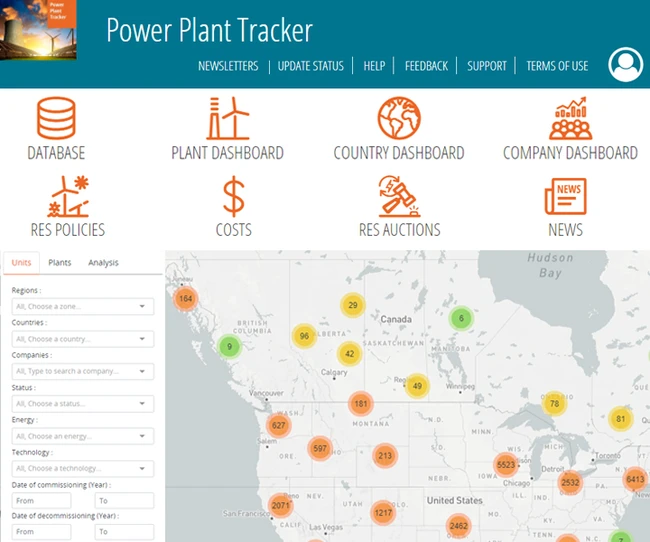
Interested in Power Plants?
Enerdata has developed a market research service to screen, monitor and analyse the development of power generation assets.
Power Plant Tracker offers an interactive database and a powerful search engine covering power plants worldwide – including both installed and planned capacities for renewables and fossil fuels.