The Japanese government has expressed its intention to restart 4 more nuclear reactors, in addition to the 5 units that are already operational, in order to avoid potential power shortages in the winter. This would bring Japan’s operational nuclear units to 9, with the government hoping that they could be able to cover about 10% of Japan’s overall power consumption.
Of the 9 units that would be operational, 5 are operated by Kaisai Electric Power (Oi-3 and 4; Mihama-3; Takahama-3 and Takahama-4), 3 are operated by Kyushu Electric Power (Genkai-3; Sendai-1 and Sendai-2) and one is operated by Shikoku Electric Power (Ikata-3).
Japan’s reliance on nuclear power was reduced following the Fukushima accident, dropping from 25% of the power mix in 2010 to 1% in 2015, and back to 4% in 2020 (estimated share of 10% in 2021). Before the accident, there were 54 reactors spread over 17 power plants.
Besides nuclear reactors, the Japanese government also instructed officials to get 10 more units of thermal power plants ready for operations to ensure a stable power supply during peak periods. Simultaneously to this decision, Japanese power company JERA announced that it will commission a 1 GW coal-fired power plant in Taketoyo, Aichi Prefecture, in early August 2022, which is also set to alleviate electricity crunches in the summer and winter.
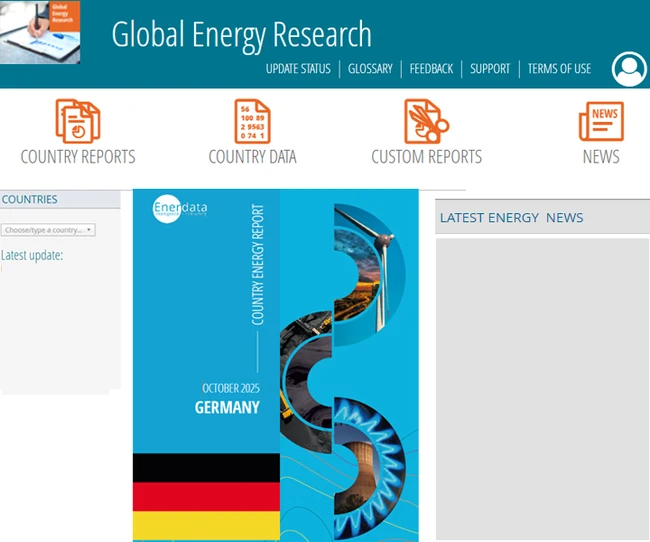
Interested in Global Energy Research?
Enerdata's premium online information service provides up-to-date market reports on 110+ countries. The reports include valuable market data and analysis as well as a daily newsfeed, curated by our energy analysts, on the oil, gas, coal and power markets.
This user-friendly tool gives you the essentials about the domestic markets of your concern, including market structure, organisation, actors, projects and business perspectives.