The Irish government has agreed on sectoral emissions ceilings to cut the country's greenhouse gas (GHG) emissions in 2030 by 51% compared to the 2018 level. The emissions ceiling for agriculture has been set at a level requiring a 25% reduction by 2030. Ceiling sets for other sectors will require a 75% reduction for the electricity sector, a 45% reduction for commercial and public buildings, a 40% reduction for residential buildings, a 50% reduction for the transport sector, and a 35% reduction for the industry sector. In addition, the government increased its 2030 offshore wind target from 5 GW to 7 GW and doubled its solar target to reach 5.5 GW by 2030. In addition, the country introduced a 2 GW green hydrogen target, as well as an agro-forestry and anaerobic digestion target to produce up to 5.7 TWh of biomethane.
According to Ireland's Environmental Protection Agency, the country's greenhouse gas (GHG) emissions decreased by 3.6% in 2020 to 58 MtCO2eq. The decrease in emissions is reflected in most sectors with the exception of increases in residential, agriculture and public services. In the energy sector, GHG emissions fell by 7.9% (-0.74 MtCO2eq), as peat-fired power generation halved and renewable power generation increased noticeably (+15% from wind), covering 42% of the Irish power mix. Residential emissions grew by 9% (+0.59 MtCO2eq), as a result of colder temperatures, historic low oil prices (impacting heating choices), and home working. Emissions from transports fell by nearly 16% (-1.9 MtCO2eq) due to transport restrictions. Overall, Ireland's GHG emissions are still only 7% below 2005 level.
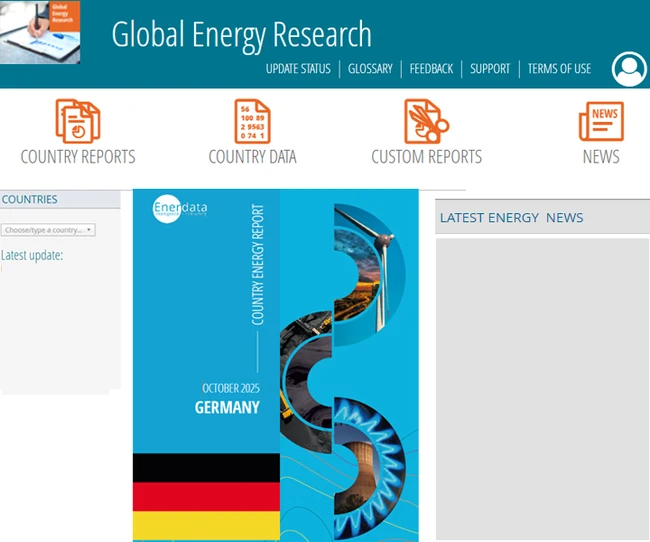
Interested in Global Energy Research?
Enerdata's premium online information service provides up-to-date market reports on 110+ countries. The reports include valuable market data and analysis as well as a daily newsfeed, curated by our energy analysts, on the oil, gas, coal and power markets.
This user-friendly tool gives you the essentials about the domestic markets of your concern, including market structure, organisation, actors, projects and business perspectives.