Vermont and Hawaii (United States) have adopted long-term ambitious renewable portfolio standard (RPS): Vermont has adopted a target of 75% by 2032 (previous non-binding target of 20% by 2017), while Hawaii updated its legislation setting a 100% target by 2045 with intermediate targets of 30% by late 2020, 40% by 2030 and 70% by 2040; it previously targeted 40% of renewable energies by 2030.
Renewable portfolio standards are state-or local-level policies mandating all or certain types of electricity producers to supply a minimum share of their electricity from renewable resources. So far, 29 US states and the District of Columbia have adopted RPS policies, while a further 8 states have non-binding renewable portfolio goals. However, some states have loosened or eliminated renewable targets: in 2014, Ohio froze its RPS of 12.5% by 2024 for two years. In January 2015, West Virginia repealed its renewable target, while in May 2015 Kansas turned its RPS scheme to a nonbinding target.
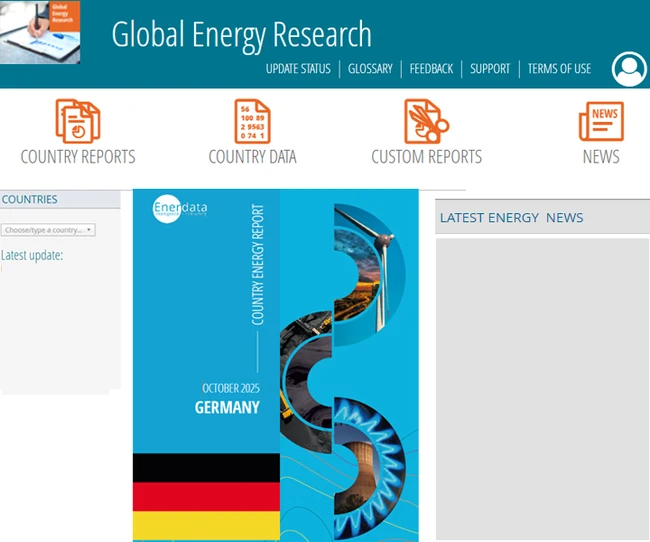
Interested in Global Energy Research?
Enerdata's premium online information service provides up-to-date market reports on 110+ countries. The reports include valuable market data and analysis as well as a daily newsfeed, curated by our energy analysts, on the oil, gas, coal and power markets.
This user-friendly tool gives you the essentials about the domestic markets of your concern, including market structure, organisation, actors, projects and business perspectives.