The European Council has agreed on a new general approach on the regulation setting out the system for the governance of the Energy Union, which integrates, climate and energy planning into a single framework.
Three benchmarks have been adopted to update the indicative renewable energies development trajectory in the EU member states to ensure that they reach the target of 27% by 2030. The milestones are namely 24% of the objective in 2023, followed by a 40% target in 2025 and 60% in 2027, calculated on the basis of the 0% renewables target set for 2020 as the starting point and 27% in 2030 as the ending point. Member states will submit integrated national energy and climate progress reports every two years. The Commission will monitor progress and assess the need for recommendations, which may trigger additional measures to be taken at national or EU level.
Besides, the Council also reached a new negotiating position on a directive setting out common rules regarding competition issues on the European Union (EU) internal electricity market. This approach is consumer-oriented and contains several key elements such as the ability to set prices freely in the future EU electricity market. EU member states will also have to ensure dynamic electricity price contracts as per their regulatory frameworks.
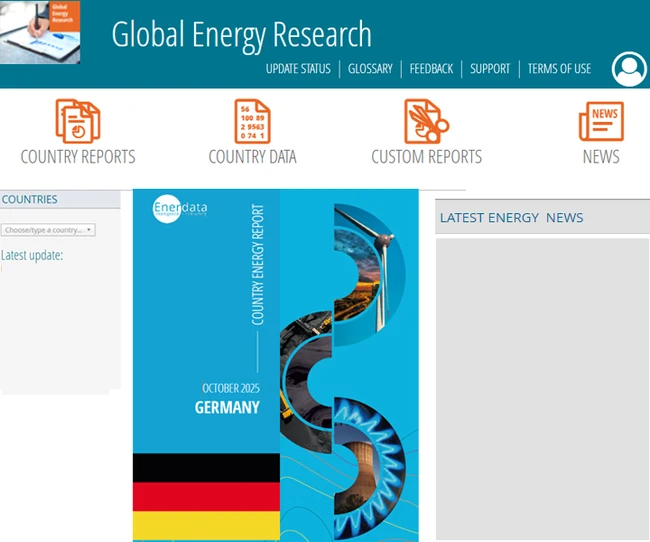
Interested in Global Energy Research?
Enerdata's premium online information service provides up-to-date market reports on 110+ countries. The reports include valuable market data and analysis as well as a daily newsfeed, curated by our energy analysts, on the oil, gas, coal and power markets.
This user-friendly tool gives you the essentials about the domestic markets of your concern, including market structure, organisation, actors, projects and business perspectives.