According to Eurostat, the share of renewable energy in the gross final energy consumption of the European Union (EU) rose from 17.5% in 2017 to 18% in 2018, progressing towards the target of 20% of renewable energy by 2020 and at least 32% by 2030.
So far, 12 countries have reached or exceeded their 2020 binding targets, namely Bulgaria (20.5%, vs. 16%), the Czech Republic (15.1% vs. 13%), Denmark (36.1% vs. 30%), Estonia (30% vs. 25%), Greece (18% vs. 18%), Croatia (28% vs. 20%), Italy (17.8% vs. 17%), Latvia (40.3% vs. 40%), Lithuania (24.4% vs. 23%), Cyprus (13.9% vs. 14%), Finland (41.2% vs. 38%) and Sweden (54.6% vs. 49%).
In addition, 4 countries are close to meet their targets (i.e. less than 1 percentage point (pp) away) namely Romania, Hungary, Austria and Portugal, 9 are between 1 and 4 pp away (such as Germany, Luxembourg and Malta), while 3 are 4 or more pp away from their targets. The Netherlands are the furthest away from their targets (6.6 pp from its 14% target, posting the lowest proportion of renewables in the power mix among EU countries), followed by France (6.4 pp), Ireland (4.9 pp), the United Kingdom (4.0 pp) and Slovenia (3.9 pp).
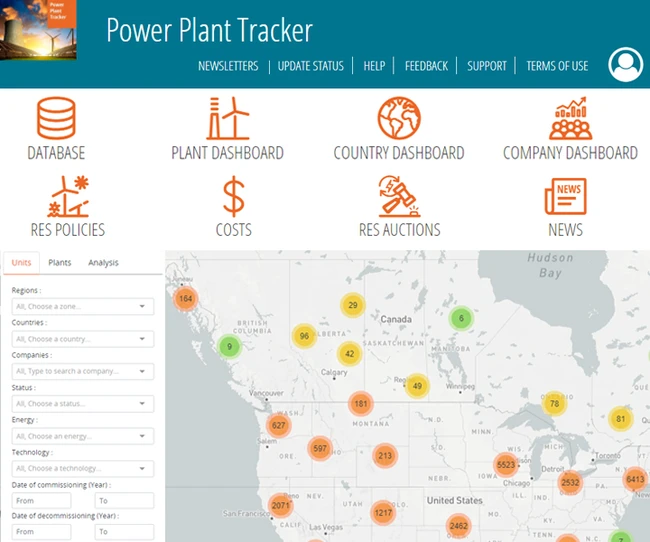
Interested in Power Plants?
Enerdata has developed a market research service to screen, monitor and analyse the development of power generation assets.
Power Plant Tracker offers an interactive database and a powerful search engine covering power plants worldwide – including both installed and planned capacities for renewables and fossil fuels.