The government of New South Wales (NSW, 8.1 inhabitants) in Australia has released its Net Zero Plan Stage 1: 2020–2030, which aims to achieve net zero emissions by 2050 by attracting investment, cutting residential costs and creating new jobs. It aims at delivering a 35% emissions reduction by 2030 compared with 2005 levels, at a cost of AUD2bn (US$1.2bn).
The government will focus on deploying renewable generation and home energy efficiency products by removing unnecessary barriers to entry for these technologies and by co-investing in these technologies. The NSW government commits to fast-track the development of the first Renewable Energy Zone (REZ). So far, three REZs have been identified in Central-West, New England and SouthWest NSW and could accommodate up to 17,700 MW of wind, solar and power storage capacity. The first 3 GW REZ would be set up around Dubbo, in the state’s central-west region. Another 4,950 MW could be added in the south-west REZ (around Hay) and up to 5,500 MW could be added around Armidale in the New England REZ. An expanded Energy Efficiency Programme will also be established, focusing on initiatives reducing electricity consumption and bills, and existing plans such as the Solar plan for Low Income Households could be extended.
In addition, the NSW government will establish an AUD450m (US$277m) Emissions Intensity Reduction Programme to reduce the emission intensity of industry (especially for cement, steel and aluminium) and will invest AUD450m (US$277m) in the New South Wales from the Climate Solutions Fund aimed at supporting Australian businesses, farms and land managers to take actions to reduce emissions. It will also invest in a Coal Innovation Program to reduce emissions from the mining and use of coal and will develop an Electric Vehicle Infrastructure and Model Availability Programme to accelerate the growth of the electric vehicle market in New South Wales. It will establish a Hydrogen Programme to promote hydrogen as an energy source and feedstock, with an aspirational target of up to 10% hydrogen in the gas network by 2030.
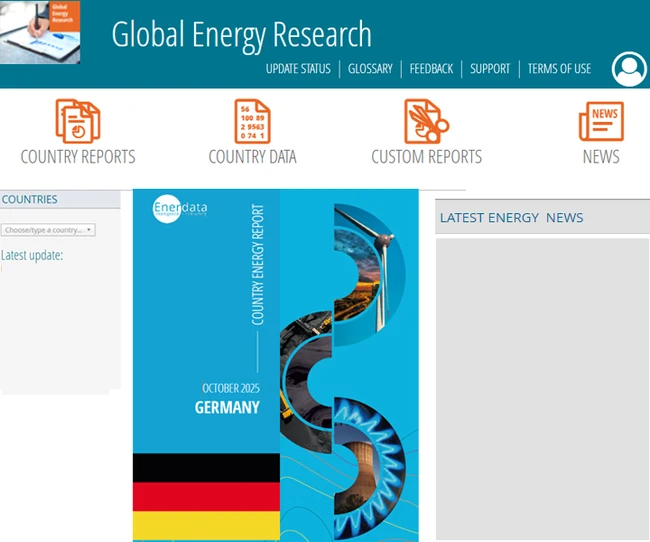
Interested in Global Energy Research?
Enerdata's premium online information service provides up-to-date market reports on 110+ countries. The reports include valuable market data and analysis as well as a daily newsfeed, curated by our energy analysts, on the oil, gas, coal and power markets.
This user-friendly tool gives you the essentials about the domestic markets of your concern, including market structure, organisation, actors, projects and business perspectives.