India aims to develop and operationalise at least five indigenous SMRs by 2033 under its Nuclear Energy Mission, which targets 100 GW of nuclear capacity by 2047 (Indian government announcement, 22/07/2026).
The Bhabha Atomic Research Centre is developing three SMR designs: the 220 MW Bharat Small Modular Reactor (BSMR-200), the 55 MW SMR-55, and a high-temperature gas-cooled reactor (HTGCR) of up to 5 MWth for hydrogen production. The BSMR-200 and SMR-55, both based on pressurised water reactor technology, will be built at Tarapur in Maharashtra, while the HTGCR is planned at Visakhapatnam in Andhra Pradesh.
The programme follows the adoption of the SHANTI Act 2025, which opens India’s nuclear sector to private participation and supports the development of indigenous nuclear technologies. The government expects nuclear capacity to increase from 8.8 GW to around 22 GW by 2031-2032, before reaching 100 GW by 2047. Under the roadmap, the state-owned NPCIL would provide about 54 GW, while public-private partnerships and private investors would develop the remaining capacity.
By the end of 2025, India’s nuclear installed capacity represented 1.5% of total electric capacity (Enerdata’s Global Energy Research).
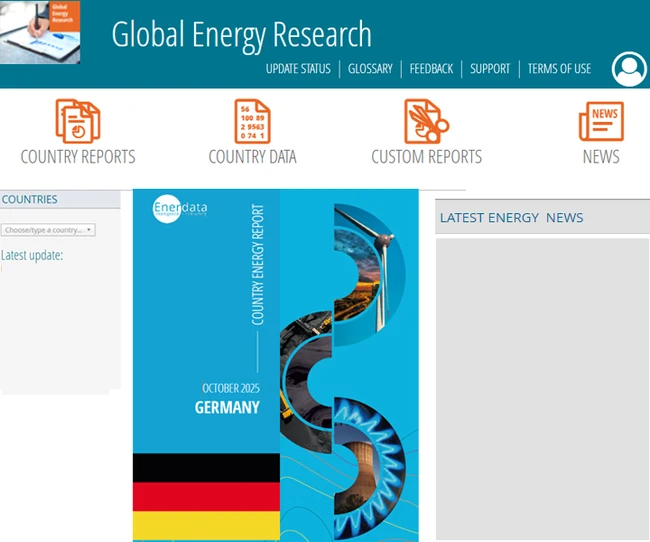
Interested in Global Energy Research?
Enerdata's premium online information service provides up-to-date market reports on 110+ countries. The reports include valuable market data and analysis as well as a daily newsfeed, curated by our energy analysts, on the oil, gas, coal and power markets.
This user-friendly tool gives you the essentials about the domestic markets of your concern, including market structure, organisation, actors, projects and business perspectives.