Duke Energy has finalized a settlement agreement with the US Department of the Interior (DOI) to relinquish its offshore wind lease in Carolina Long Bay, receiving a “partial reimbursement” that will be redirected toward other generation projects (DOI statement, 29/06/2026). The company will transfer the early‑stage lease, valued at USD129m, and commit to reinvesting the same amount into alternative energy resources across the Carolinas. Duke Energy indicated that these funds may support nuclear generation, natural gas-fired generation, and grid modernization.
This arrangement adds to a growing list of offshore wind lease buyouts announced by the Trump administration, following similar deals involving Golden State Wind and Invenergy.
- In June 2026, the US government stated it would provide USD765m to Invenergy to facilitate its withdrawal from four offshore wind leases, with the expectation that the company redirect its investments toward fossil fuel and geothermal projects instead (KEI, 22/06/2026).
- Since early 2026, the administration has unveiled multiple measures of this kind, part of a broader strategy to halt offshore wind development, which it views as costly and inefficient. Earlier in June 2026, seven US states filed a lawsuit challenging a separate payment of nearly USD800mn to TotalEnergies to cancel an offshore wind lease off New York’s coast.
This payment strategy follows earlier, unsuccessful attempts by the administration to block projects nearing completion, citing concerns that wind turbines might disrupt military radar systems. Federal judges rejected these claims, allowing construction to continue. The government’s approach has intensified uncertainty surrounding the future of offshore wind development in the United States.
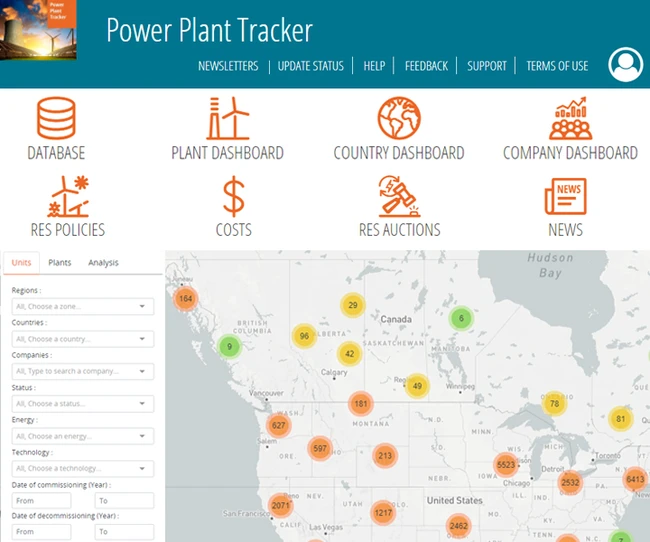
Interested in Power Plants?
Enerdata has developed a market research service to screen, monitor and analyse the development of power generation assets.
Power Plant Tracker offers an interactive database and a powerful search engine covering power plants worldwide – including both installed and planned capacities for renewables and fossil fuels.