The Danish energy transmission system operator Energinet has launched offshore environmental studies for its "energy islands" projects in the North Sea and at the Bornholm island in the Baltic Sea (Denmark). Niras will lead environmental studies at the North Sea energy island off the western coast of Jutland, while Rambøll will conduct environmental studies in the Baltic Sea. The construction of the energy islands will include wind parks, power cables and electrical installations, and is subject to the Danish Environmental Assessment Act.
Plans to build two 2 GW energy islands were announced with the country's climate plan in May 2020. An energy island serves as a hub for electricity generation for the surrounding plants, by collecting and distributing the electricity between countries connected using a common electricity grid. The Danish Ministry of Climate, Energy and Public Utilities has already selected a location for a 2 GW island 20 km to the south and south-west of Bornholm. Furthermore, a 3 GW island is planned in the North Sea off the western coast of Jutland; in the long term, its capacity will be raised to 10 GW. Detailed studies of the seabed and on the environmental impact of the project are expected to be completed in 2024.
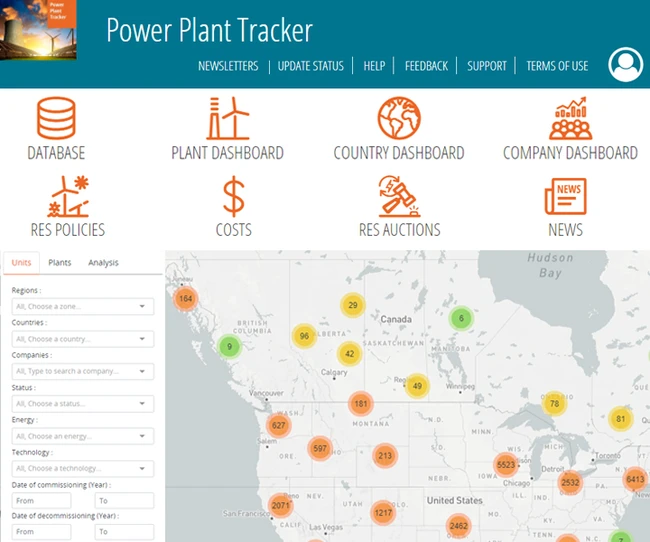
Interested in Power Plants?
Enerdata has developed a market research service to screen, monitor and analyse the development of power generation assets.
Power Plant Tracker offers an interactive database and a powerful search engine covering power plants worldwide – including both installed and planned capacities for renewables and fossil fuels.