The government of Australia has decided not to implement LNG export controls in 2019, as the domestic gas market is no longer expected to suffer from any shortage. This announcement will ease concerns from major LNG customers such as Japan, China and South Korea.
In 2017, the Australian Energy Market Operator (AEMO) projected that the growth in LNG exports could cut gas volumes for the domestic market by 20% between 2018 and 2021, thus leading Australia to a gas shortage that would threaten domestic power supply. In addition, domestic gas prices soared, prompting Australia to enact a law to control LNG exports from the three LNG plants - namely Gladstone LNG (GLNG), Australia Pacific LNG (APLNG) and Queensland Curtis LNG (QCLNG) - on the east coast, where most of the population and industry are located.
However, in June 2018, the AEMO announced that there would be no gas shortage before 2030 under the expected market conditions, thanks to the greater availability of the fuel and increased domestic commitments to develop alternative power generation sources, helping to reduce the demand for gas-powered electricity generation. In October 2018, GLNG, APLNG and QCLNG extended their agreement with the Federal Government to maintain a secure supply of gas to the east coast domestic market until 2020. They agreed to offer uncontracted gas to the domestic market on reasonable terms in the event of a shortfall in 2018 and 2019 instead of selling it on the international market, unless equivalent gas volumes have first been offered to the domestic gas market on competitive market terms.
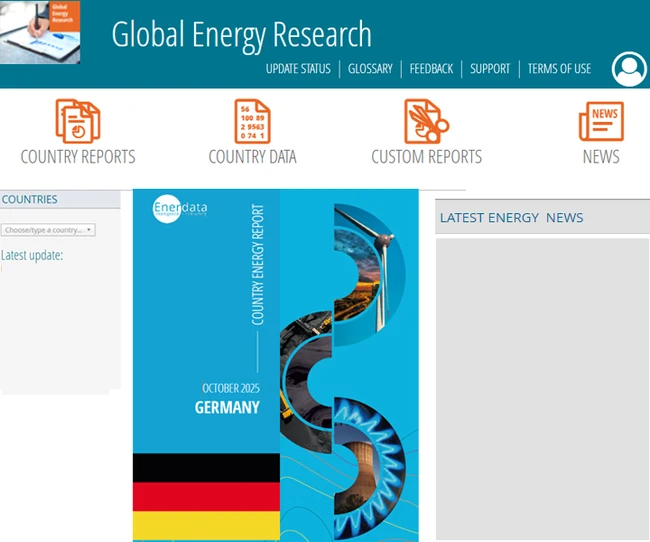
Interested in Global Energy Research?
Enerdata's premium online information service provides up-to-date market reports on 110+ countries. The reports include valuable market data and analysis as well as a daily newsfeed, curated by our energy analysts, on the oil, gas, coal and power markets.
This user-friendly tool gives you the essentials about the domestic markets of your concern, including market structure, organisation, actors, projects and business perspectives.